




 Русский
 English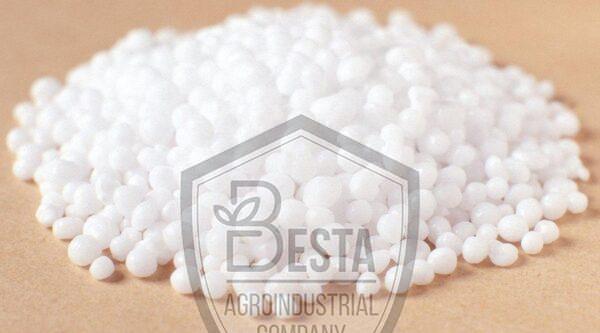
Карбамід
ЗАМОВИТИ В 1 КЛІКІнформація
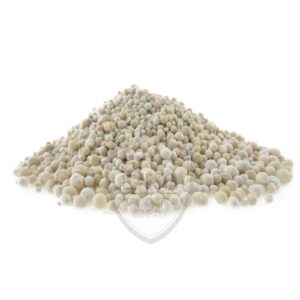
Карбамід (сечовина) CO(NH2)2 — найбільш концентроване з твердих азотних добрив, що містить 46% азоту. Увесь азот знаходиться в амідній формі, водорозчинне, повільнодіюче, безнітратне добриво з майже нейтральною реакцією.
Застосовується в системах удобрення в усіх ґрунтово-кліматичних зонах як в основне внесення, так і для підживлення.
У системі удобрення ярих зернових культур вносять під передпосівну культивацію.
Більш ефективно карбамід слідує використовувати під культури з довгим вегетаційним періодом.У ґрунті амідна форма трансформується в аміачну, а пізніше – в нітратну. Процеси амоніфікації та нітрифікації відбуваються повільно, за температур + 20°С і більше, тому азот з карбаміду більш рівномірно засвоюється рослинами впродовж вегетації — пролонгована дія добрив. Амідний азот не вимивається з ґрунту, його втрати – зовсім мінімальні.
Підживлення розчином карбаміду рекомендується проводити при температурі повітря не більше + 20°С та не менше + 10…12°С, у вечірні години або (за хмарної погоди) вдень, що забезпечує підвищення коефіцієнта використання азоту з добрива. Листкове підживлення особливо ефективне на здорових рослинах, що добре забезпечені іншими елементами живлення.
Позакореневе підживлення – складний технологічний процес, позитивна дія якого виявляється лише за певних умов. Так, для різних культур встановлені допустимі концентрації розчину карбаміду, які не пригнічують розвиток рослин, %: кукурудза, квасоля, томати, огірки, виноград – 0,5; яблуня, вишня, слива, тютюн – 1,0; картопля, капуста – 1,6; буряки, персик – 2,0; цибуля – 2,5; морква – 3,0; зернові – 5–30. Позакореневе підживлення зернових культур у період колосіння – початок молочного стану зерна 10–15% розчином карбаміду сприяє підвищенню його врожайності на 2,5–3 ц/га та білковості на 1–3%..
Листкове підживлення карбамідом рекомендується комбінувати у одному робочому розчині з пестицидами та мікродобривами, що поліпшує дію хімічних засобів і знижує вплив стрес-факторів, які викликані ними. Об’єм робочого розчину при цьому повинен бути не менше 200-250 літрів на 1 гектар.
За високої концентрації водний розчин карбаміду може спричинити опіки. Молоді рослини більш стійкі до них, а також краще використовують азот. Допустима концентрація розчину карбаміду для позакореневого підживлення 5-15 %, в залежності від культури та фази розвитку. Для зернових культур — до 15 кг/га (у фізичній вазі).